Em um setor que historicamente concentra suas decisões, operações e quadros técnicos nas mãos de homens, a presença feminina no saneamento básico no Brasil ainda é tímida, porém vem crescendo nas últimas décadas. Dados do Instituto Trata Brasil mostram que menos de 25% da força de trabalho do setor é composta por mulheres, número ainda menor quando se trata de cargos de comando ou funções de base técnica, como engenharia. Aos poucos, no entanto, iniciativas e lideranças vêm abrindo espaço para que mais mulheres ocupem essas posições — e o caminho passa diretamente pela valorização da formação técnica, da diversidade e da inclusão.
A baixa presença feminina em setores ligados à engenharia não é novidade no Brasil. Segundo o Conselho Federal de Engenharia e Agronomia (Confea), apenas cerca de 18% dos registros ativos pertencem a mulheres. Essa sub-representação se reflete em áreas como o saneamento, onde a técnica, a operação de sistemas e o planejamento de soluções hídricas costumam ser associados a um imaginário predominantemente masculino — reforçando uma cultura que limita o acesso e o crescimento profissional das mulheres.
“Há um estigma antigo de que saneamento é um setor ‘pesado’, e que cargos técnicos são masculinos por natureza. Isso afasta mulheres desde a formação até a entrada no mercado”, explica Sibylle Muller, engenheira civil e CEO da NeoAcqua, empresa brasileira especializada em soluções de tratamento de água e esgoto.
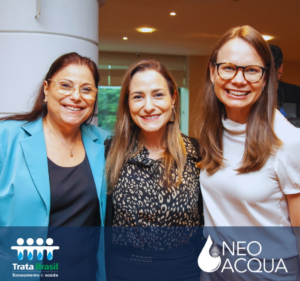
Com mais de duas décadas de experiência na gestão de uma companhia do setor de saneamento, Sibylle tem apostado em equipes diversas como estratégia de evolução.
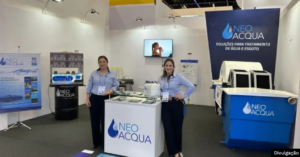
Na planta da NeoAcqua em Santa Catarina, 14 mulheres atuam diretamente na operação fabril, em suprimentos, na engenharia e na gestão, incluindo a própria Sibylle. Já na unidade de São Paulo, cinco profissionais ocupam funções técnicas e administrativas. “Em nossa empresa, as mulheres preparadas, com boa formação e competência têm as mesmas oportunidades que os homens para atuarem e se desenvolverem nas diversas etapas do projeto e implantação de sistemas de tratamento de água e de esgoto”, afirma a CEO.
O avanço feminino no setor está ligado também à ampliação de políticas internas de incentivo, mentorias e valorização da diversidade, além de uma cultura empresarial que reconheça o potencial da equidade como motor de desenvolvimento e inovação. “Além de vagas no saneamento em que mulheres também possam trabalhar e contribuir para o desenvolvimento e implantação de projetos, é importante prestigiar o conhecimento e a competência de cada pessoa, com equidade para atuar, propor e liderar, independente do gênero”, diz Sibylle.
Uma maior participação de mulheres no mercado do saneamento requer um esforço coordenado de instituições de ensino e empresas. “Incentivar a presença feminina nas graduações de engenharia e promover exemplos inspiradores de liderança são caminhos para equilibrar um setor ainda marcado por desigualdades estruturais”, finaliza Sibylle Muller.
Empresas que apostam na diversidade, como a NeoAcqua, mostram que é possível romper padrões e estimular a inclusão em todos os níveis. O desafio da equidade no saneamento continua, mas a atuação de mulheres capacitadas em engenharia, operação e liderança aponta para um futuro mais equilibrado — onde o talento passa a critério decisivo para ocupar espaço no setor.