Serviços essenciais são determinantes na preservação da natureza
A poluição das águas, principalmente por falta de saneamento básico, o avanço das queimadas e do desmatamento são alguns dos principais problemas ambientais enfrentados no Brasil. Segundo pesquisa inédita do Instituto Brasileiro de Geografia e Estatística (IBGE), mais de 2 mil municípios brasileiros, onde vivem 108 milhões de habitantes (62% da população), sofrem alterações ambientais que prejudicam diretamente a vida de seus moradores. O esgoto a céu aberto é o maior vilão da degradação ambiental, em seguida estão o desmatamento e as queimadas.
Na questão dos cuidados com o meio ambiente, a situação do Brasil está longe de ser a ideal. Apenas neste ano, foram detectadas pelos satélites do Inpe (Instituto Nacional de Pesquisas Espaciais) 89.604 pontos de calor de queimadas no Amazonas e Pantanal, quando que, em 2019, foram registradas 89.176, o que compromete todo o bioma das regiões, assim como impacta atividades agropecuárias e o clima.
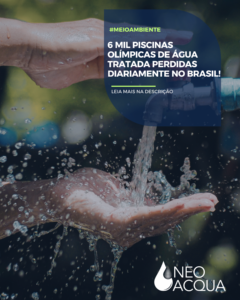
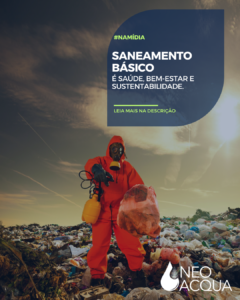
Outro ponto de atenção é o saneamento básico, que se trata das atividades essenciais garantidas por lei e que deveriam cumprir um papel na preservação do meio ambiente e na promoção da qualidade de vida para a população, mas que não possui amplo atendimento a todos os brasileiros. Atualmente, de acordo com Sistema Nacional de Informações sobre Saneamento (SNIS – 2018), a porcentagem da população com acesso à rede de água e coleta de esgoto no Brasil é de 83,6% e 53,15% respectivamente. O volume de esgoto tratado está perto de 46%, e as perdas de água chegam aos 38,5%.
Danos no Meio Ambiente
As consequências da falta dessas atividades são irreparáveis. Ingerir água contaminada, por exemplo, pode causar doenças gastrointestinais e levar à morte e as crianças costumam ser as mais prejudicadas. Segundo o Instituto Trata Brasil, cerca de 4,8 milhões de crianças de até 14 anos estão expostas a riscos de doenças por residirem em lares sem estrutura de saneamento básico. Outra consequência da falta dos serviços básicos é o impacto no meio ambiente. Despejar esgotos não tratados pode poluir o solo, lençóis freáticos e reservas de água, levando à morte de animais e reduzindo a quantidade de água potável disponível. Os prejuízos podem se estender para a agricultura, comércio, indústria, turismo e outros setores da economia.
De acordo com Mateus Banaco, diretor geral da Atibaia Saneamento, empresa responsável pela coleta e tratamento de esgoto no município e que mantém uma Parceria Público-Privada com a SAAE, “por todas essas razões, o saneamento básico é um dos maiores desafios do mundo hoje. O que está em jogo são os bens mais valiosos do planeta: a saúde das pessoas, a conservação do meio ambiente e o funcionamento da economia mundial. Então, aqui em Atibaia, temos trabalhado arduamente para mudar esta realidade e universalizar o serviço de esgoto até 2025 e assim beneficiar a população com mais saúde, mas também auxiliar na preservação das bacias e mananciais de toda a região”, contou o diretor.
Fonte: Portal Saneamento Básico.